
Edible Oil Processing
Plants in Africa
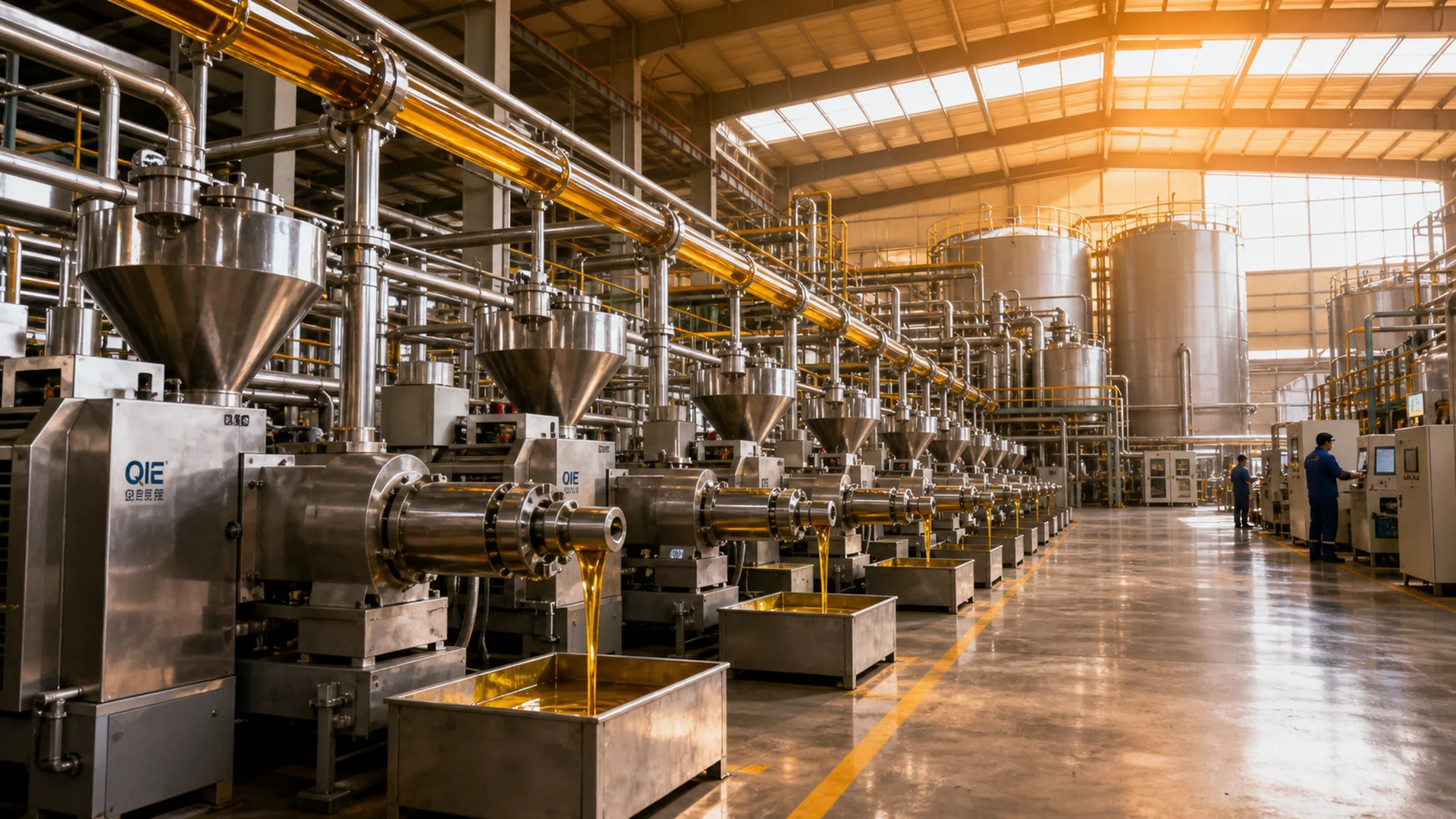
SinoOil Machinery has delivered 10 edible oil processing plants across sub-Saharan and North Africa — from 5 TPD sesame oil mini mills in Tanzania to 100 TPD continuous refineries in Egypt. Each project was designed around local oilseeds, operating conditions, and business goals.
Why Africa's Edible Oil Sector Is Growing
Key facts about the African edible oil processing market that inform our project designs
Africa imports 30–40% of its edible oil despite abundant local oilseed resources. This structural gap creates strong economics for local oil processing — especially in Nigeria (soybean, peanut), Ethiopia and Tanzania (sesame), Zambia (sunflower), Cameroon and West Africa (palm kernel), and Egypt (cottonseed, sunflower). SinoOil's Africa projects range from entry-level 5 TPD mills for rural entrepreneurs to 100 TPD industrial refineries for national-scale production.
Africa Oil Plant Projects
Click any project for full case study — equipment specs, process flow, results, and client feedback
Nigeria
Kano State — Soybean OilFull turnkey soybean oil plant. 4× screw presses, plate filter, 3T/batch refinery. 40% input cost reduction. 18-month payback. Hausa-language PLC interface.
Full Case Study →Kenya
Nairobi — Soybean OilMedium-scale soybean plant serving branded retail market. Delivered in 45 days. Includes bottling line preparation. Client's own-brand soybean oil in Nairobi supermarkets.
Full Case Study →Ethiopia
Addis Ababa — Sesame OilVirgin sesame oil cold-press line for export markets. Minimal heat treatment preserving natural aroma and antioxidant content. Ethiopia is one of the world's top sesame exporters — high-quality input material.
Full Case Study →Egypt
Cairo — Continuous Oil RefineryFully automatic continuous refinery in Cairo handling mixed crude vegetable oils (sunflower, soybean, cottonseed). Largest Africa project in our portfolio. ISO-certified refined output for national bottling chains.
Full Case Study →Cameroon
Douala — Palm Oil RefineryPhysical palm oil refinery processing crude palm oil (CPO) to RBD standard. Includes dry fractionation line for olein (liquid) and stearin (solid) separation. Serving Central Africa's cooking oil and margarine markets.
Full Case Study →Ghana
Accra — Peanut/Groundnut OilCommercial groundnut oil plant in Accra. Hot-press line with degumming refinery. Serving supermarket retail and food-processing clients in Greater Accra. Ghana's strong peanut belt provides consistent raw material supply.
Full Case Study →Zambia
Lusaka — Sunflower OilSunflower dehulling-pressing-degumming line in Lusaka. Direct purchase from smallholder farms within 50 km. Zambia's Eastern Province produces significant sunflower volumes suitable for pressing.
Full Case Study →Uganda
Kampala — Peanut/Groundnut OilSmall commercial groundnut oil mill in Kampala. Roasting-pressing-filtration line producing food-grade oil for local retail and catering. Entry-level investment for first-time oil processors in East Africa.
Full Case Study →Tanzania
Dar es Salaam — Sesame OilSmallest plant in our Africa portfolio. Compact footprint for urban factory space. Manual and semi-auto options. Tanzania is a major sesame producer — ideal for domestic processing vs. exporting raw seeds.
Full Case Study →Sudan
Khartoum — Groundnut OilSpace-efficient groundnut pressing and filtration plant in Khartoum. Operating 2 shifts/day since 2023 with no major downtime. Sudan is one of the world's largest groundnut producers, with direct access to premium raw material.
Full Case Study →Africa Oilseed Processing Guide
Key technical parameters for the main oilseeds processed in our Africa projects
| Oilseed | Main Africa Regions | Oil Content | Screw Press Yield | Optimal Moisture | Key Product |
|---|---|---|---|---|---|
| Soybean | Nigeria, Kenya, Ethiopia, Zimbabwe | 17–22% | 17–19% | 10–12% | Refined cooking oil, lecithin |
| Groundnut / Peanut | Nigeria, Ghana, Sudan, Uganda, Senegal | 42–54% | 40–48% | 8–10% | Cooking oil, peanut butter oil |
| Sesame | Ethiopia, Tanzania, Sudan, Uganda | 45–55% | 42–50% | 6–8% | Virgin/cold-press oil, tahini oil |
| Sunflower | Zambia, Kenya, Tanzania, Ethiopia | 38–50% | 35–44% | 8–11% | Refined cooking oil, salad oil |
| Palm Kernel | Nigeria, Cameroon, DRC, Ghana | 46–52% | 42–48% | 6–8% | PKO (cooking), lauric acid products |
| Cottonseed | Egypt, Sudan, Ethiopia, Mali | 15–20% | 13–17% | 9–11% | Refined cooking oil (requires refinery) |
* Oil yields are for screw pressing technology. Solvent extraction achieves 1–4% higher yields at higher capital cost. Contact us to discuss which extraction method is most economical for your specific oilseed and volume.
Africa Oil Plant Questions
Common questions from buyers in Africa about edible oil processing plant investment
Published case studies cover 10 countries: Nigeria, Kenya, Ethiopia, Uganda, Ghana, Tanzania, Zambia, Cameroon, Sudan, and Egypt. We have additional undocumented installations in Mozambique, Zimbabwe, Senegal, Côte d'Ivoire, Rwanda, and South Africa. Contact us for specific country references not listed here.
The most economically viable oilseeds vary by region. In West Africa (Nigeria, Ghana): groundnut/peanut (42–54% oil yield) and soybean. In East Africa (Ethiopia, Tanzania, Uganda): sesame (45–55% oil yield) and sunflower. In Central Africa (Cameroon, DRC): palm kernel (46–52%). In North Africa (Egypt, Sudan): cottonseed and sunflower. Choose based on local raw material availability, market price, and target product.
Equipment cost FOB China: $8,000–$20,000 for 5–10 TPD mini mill; $35,000–$55,000 for 20–30 TPD plant; $55,000–$90,000 for 30–50 TPD turnkey; $150,000–$300,000 for 50–100 TPD refinery. Add 5–10% for CIF pricing to major African ports (Lagos, Mombasa, Dar es Salaam, Douala). On-site installation by our engineers, customs documentation support, and operator training are included.
Yes. We have sent installation engineers to all 10 listed African countries and many more. Our engineers handle mechanical assembly, electrical connection (including generator backup), trial production runs, and 7–15 days of hands-on operator training. Engineer travel and accommodation costs are billed separately — typically $2,000–$4,000 for West and East Africa. For projects above 50 TPD, we send 2 engineers.
Most African countries use 380V–415V / 50Hz three-phase power for industrial equipment. Our equipment is configurable for any voltage in this range. For areas with unstable grid supply — common in Nigeria, Kenya, Tanzania, and Uganda — we include a voltage stabiliser (AVR) by default in all Africa packages. Diesel generator backup connection points are also installed. Plants above 50 TPD require a 200–500 kVA supply; contact us for exact power calculations for your specific configuration.
Plan Your Oil Plant in Africa
Tell us your country, raw material, and capacity — we'll send a free customised plant design proposal with local reference projects within 24 hours